Introduction: Why Lean Thinking Applies to Prepress
In flexographic printing, prepress is often viewed as a supporting function—but it's a vital stage that directly influences quality, speed, and profitability. Applying lean principles to prepress can eliminate waste, reduce variation, and improve the flow of work to the pressroom. While lean methodologies are often associated with production lines, their true power lies in transforming the entire value stream, starting with prepress.
Identifying Waste in Flexo Prepress
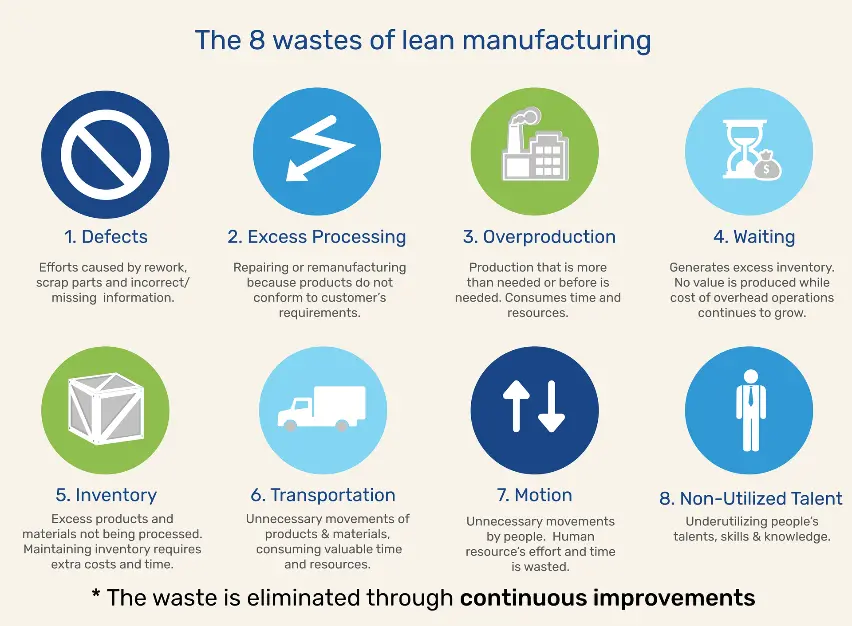
A lean mindset starts with identifying forms of waste. In flexo prepress, common examples include:
- Over-processing: Excessive file manipulation or plate remakes
- Waiting: Delays due to approvals, incomplete job specs, or missing plates
- Motion: Excess movement by operators searching for files, sleeves, or tools
- Defects: Errors in plate content, file setup, or mounting
- Inventory: Excessive plate, sleeve, or tape stock leading to disorganization
By targeting these areas, prepress can evolve from a reactive support function to a lean, responsive workflow.
Core Lean Principles for Prepress Optimization
To create a lean flow in prepress, several foundational principles are key:
- Standardization: Documented procedures for mounting, file handling, QC, and storage
- Visual Management: Clear status indicators, job boards, and labeling systems
- Just-In-Time Prep: Preparing what’s needed, when it’s needed—minimizing early setups
- Error-Proofing (Poka-Yoke): Using templates, barcodes, and automation to reduce mistakes
- 5S: Organizing tools, files, and sleeves for immediate access and minimal motion
These principles help create a calm, predictable, and efficient work environment.
Building a Lean Prepress Flow: Step by Step
Lean prepress begins by mapping the full value stream. A typical workflow might follow these steps:
- Job Intake: Digital job tickets validated with all necessary information up front
- Artwork and File Preparation: Using pre-approved templates to minimize manual intervention
- Approval Process: Minimized iterations with clear decision-making responsibility
- Plate Mounting: Automated mounting using image recognition for repeatability
- Sleeve Preparation: Taped, inspected, and labeled with job ID before press handover
- Staging and Delivery: Plates and sleeves are ready JIT to avoid over-preparation
Standardizing this flow helps avoid bottlenecks and align upstream and downstream teams.
Tools and Technology That Support Lean Prepress
A lean prepress flow benefits greatly from smart automation and integrated tools:
- AV Flexologic's SAMM 3.0: Reduces variation and speeds up mounting with automated precision.
- SQIS Sleeve Inspection: Verifies sleeve specs pre-mounting to prevent press issues.
- Robotic Sleeve Handing Systems: Eliminates motion waste and ensures optimal sleeve condition.
- ERP Integration: Job data flows directly from planning to production with no re-entry.
Together, these tools enhance control, speed, and visibility throughout prepress.
Benefits: What Lean Prepress Looks Like in Practice
When lean principles are applied effectively, the prepress department transforms:
- Plates and sleeves are always ready exactly when needed—no more hunting
- First-time-right rates go up, reducing rework and press downtime
- Operators work with clear procedures and less stress
- Team communication improves thanks to visual management tools
- Jobs move smoothly to the pressroom, unlocking more press hours per shift
The result? A leaner, more agile print operation.
Conclusion: Prepress as a Strategic Advantage
Prepress is more than preparation—it’s a critical point of leverage in any flexo operation. By creating a lean-based flow, converters can eliminate waste, improve consistency, and accelerate throughput before the job even reaches the press. With the right mindset and the right tools, prepress becomes a strategic advantage that drives quality, speed, and profitability across the entire workflow.
About the Author

Martijn Otten
Managing Director
Martijn Otten is the Managing Director of AV Flexologic and Tech Sleeves, leading companies in the flexographic printing industry. He holds an MSc in Mechanical Engineering and has over 20 years of experience in the field. Martijn's technical expertise and commercial drive have introduced significant advancements in automation technology for flexographic printing, winning several leading technical innovation awards such as the FTA Innovation Award (2x) and the FIA, EFTA, and FlexoTech Innovation Awards. A firm believer of Lean methodologies, Martijn continuously seeks to improve efficiency and eliminate waste in manufacturing processes, whether this is in-house at AV Flexologic or at customers process. His contributions to the industry extend beyond his leadership at AV Flexologic, as he regularly shares his insights on the future of automation in flexographic printing in various publications.